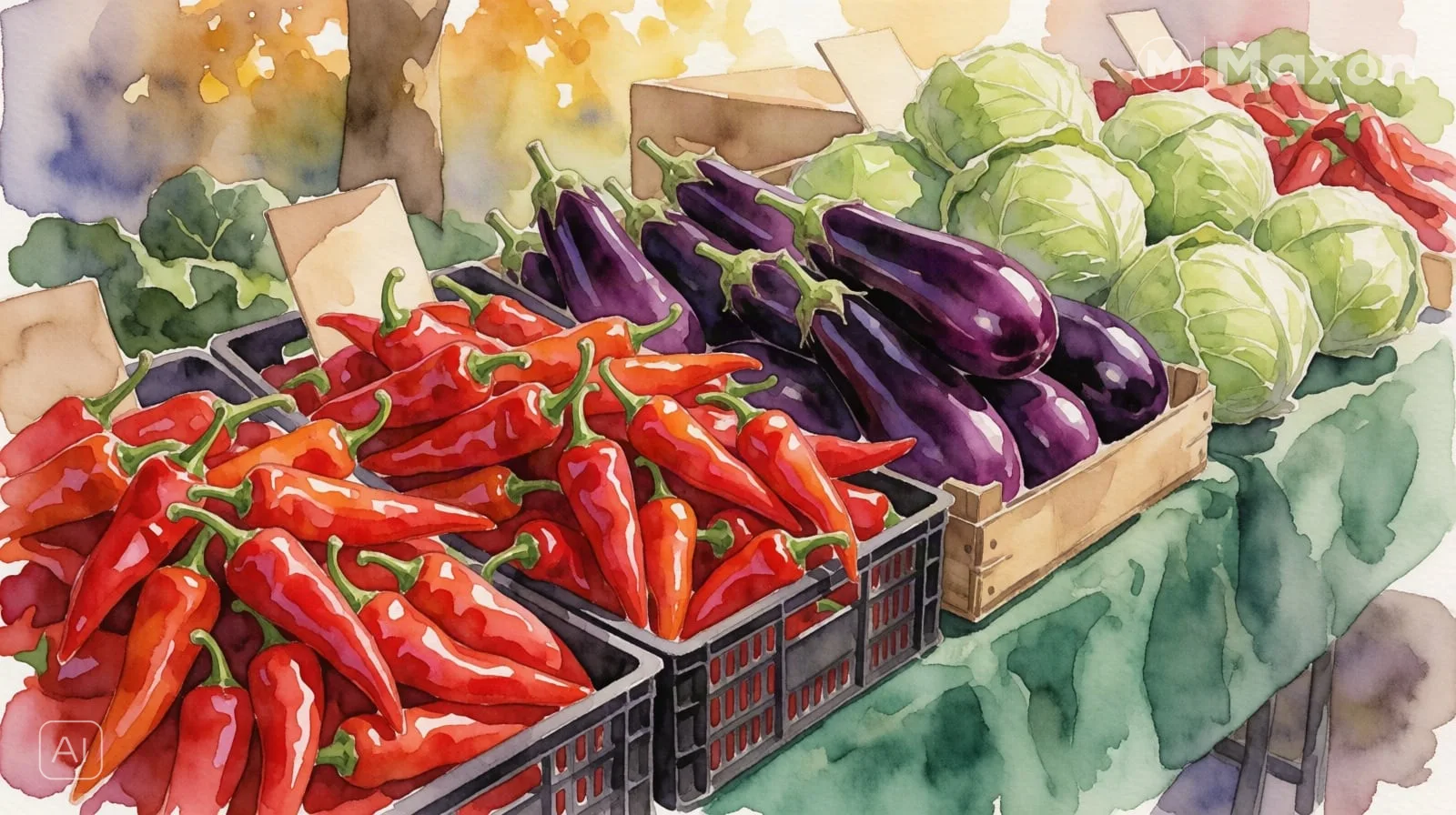
Settling into a new country or moving to a different city involves far more than arranging furniture and signing property deeds. A true sense of home begins the moment you recognise the aromas drifting from a neighbour's kitchen, exchange your first smiles on the staircase, and understand why, on certain days of the year, everyone around you seems remarkably festive.
Bulgaria carries a distinct, lively rhythm deeply tied to the land, the changing seasons, and community life. Here, holidays rarely stay confined behind closed doors. They spill into courtyards, streets, and residential squares. For anyone choosing to make their home here—whether born in the country or arriving from abroad—embracing these customs is the quickest path to warm neighbourly relations.
Winter Fires and Bells: Kukeri and Banishing the Cold
January in Bulgaria is often white, still, and crisp, yet it is precisely during this period that the silence is broken by one of the land's most ancient customs: the Kukeri games. Around St. Basil’s Day (Surva) and continuing into early spring, streets in many towns and villages fill with masked performers clad in heavy furs, wearing imposing wooden masks, and carrying dozens of bells (hlopki) strapped to their waists.
Their rhythmic, hypnotic chiming serves a single purpose: to drive away evil spirits, cold, and darkness, paving the way for fertility and new beginnings. If you live in an area where the Kukeri parade, do not be surprised if a troupe knocks on your gate. Tradition dictates that the homeowner opens the courtyard doors wide, welcoming them with wine, homemade rakia, bread, cheese, or cured meats. This gesture brings blessings to the household and good health for the family throughout the coming year.
The February Scent of Wine: Trifon Zarezan
On 14 February, while much of the world celebrates romance, Bulgaria honours Saint Trifon—the patron saint of winegrowers and vineyards. This is the day of the symbolic vine pruning (zaryazvane), the first clear sign that winter is beginning to retreat.
In the morning, men head into the vineyards to trim the first shoots, pouring red wine over the roots to ensure fertility and bless the harvest. In the courtyards of villages and small towns around Plovdiv, Melnik, Sandanski, or along the Black Sea coast, grills are fired up, demijohns of homemade wine are brought out, and roasted meats and warm flatbreads (pita) are shared.
How to take part: If a neighbour invites you to join the vine pruning, accept without hesitation. There is no need for extravagant gifts. A bottle of good wine, a box of homemade baked treats, or simply a warm curiosity about how the vines are tended is more than enough. For Bulgarians, sharing a glass of wine is a mark of trust and an invitation into their inner circle.
Red and White: Baba Marta and Welcoming the Spring
The first day of March is perhaps the most poetic and distinctive Bulgarian tradition. On 1 March, friends, colleagues, and neighbours exchange martenitsi—intertwined red and white woollen threads symbolising health, longevity, and joy. The red represents life, vitality, and the sun, while the white stands for purity, peace, and light.
Custom calls for the martenitsa to be pinned to a lapel or tied around the left wrist. It is worn until you spot the first stork, swallow, or blossoming fruit tree. At that moment, the thread is removed and tied to a flowering branch to make a heartfelt wish come true.
A practical tip: Pick up a dozen simple martenitsi in late February. Gift them to the people you see every day—the neighbour sweeping the entryway, the clerk at the corner shop, or the resident who greets you down the street. Simply say: "Chestita Baba Marta! Za zdrave!" (Happy Baba Marta! To your health!). This small gesture works wonders in breaking the ice.
The Culture of Name Days: Why the Name is Sacred
One of the most intriguing cultural nuances for newcomers to Bulgaria is the significance of the Name Day (Imen Den). Often, it is celebrated with even more fanfare and emotion than a birthday. According to folk tradition, a person's name offers spiritual protection, making the feast of the patron saint a celebration for the entire community.
There is one golden, unwritten rule: you do not wait for an invitation to a name day; you simply go. Traditionally, the home of the celebrant (imenik) is open to anyone wishing to offer good health and blessings. Today, this holds particularly true for major feast days:
- Ivanovden (7 January) and Yordanovden (6 January) – Days of purification, abundant tables, and lively gatherings.
- Gergyovden (St. George's Day, 6 May) – A major spring holiday celebrated with roasted lamb, fresh herbs, and tributes to landowners, shepherds, and the armed forces.
- Dimitrovden (St. Demetrius' Day, 26 October) – The close of the agricultural year, marking the time to prepare homes for winter and gather the fruits of one's labour.
Another essential rule: the celebrant always treats their guests. On their name day, a neighbour might knock on your door offering sweets or a drink. The customary response is to wish them: "Zhiv i zdrav, i imeto ti da se slavi!" (May you be healthy, and may your name be honoured!). If you choose to visit, bringing a fine bottle, quality coffee, or flowers for the lady of the house is considered both practical and courteous.
Enyovden: The Magic of the Summer Solstice and Wild Herbs
On 24 June, Bulgaria awakens wrapped in green fragrance. Enyovden coincides with the astronomical midsummer, when legend says the morning sun "flickers and bathes in the water," endowing every drop of dew with healing properties.
At dawn, before sunrise, residents in mountainous and foothill regions head into the meadows to gather seventy-seven and a half herbs—one for every known ailment, and the half for an unknown illness yet to be named. By midday, wreaths are woven from bedstraw (enyovche), St. John's wort, thyme, and yarrow. People walk beneath these wreaths for vitality before hanging them above the entrance of their homes, where they remain throughout the year to protect the family.
It is a wonderful occasion for a nature walk with friends or neighbours. Joining an early morning foraging stroll fosters connection far more naturally than any formal gathering.
Nikulden: Fish on the Table and Gratitude to the Sea
On 6 December, the aroma of baked fish, walnuts, and pastry drifts through residential buildings and neighbourhoods. Saint Nicholas is the patron saint of sailors, fishermen, travellers, and bankers, yet throughout Bulgaria, Nikulden is universally celebrated.
The day's traditional dish is stuffed carp—typically filled with walnuts, onions, and raisins, either wrapped in dough or roasted in the oven. Along the Black Sea coast, from Varna and Nessebar to Sozopol and Tsarevo, Nikulden is an event of grand scale, marked by communal feasts (kurban) for good health and blessings bestowed upon the fishing fleets.
An enduring tradition suggests keeping the largest scale from the carp in your wallet to ensure prosperity throughout the coming year. If a neighbour brings you a plate of fish, be sure to return the dish in the following days with something homemade from your own kitchen—Bulgarian custom dictates that an empty plate is never returned.
Christmas Eve and Koledari: Sacred Quiet Before the Feast
The winter holiday cycle reaches its deepest crescendo on Christmas Eve (Badni Vecher, 24 December). This is an intimate, family-centred evening celebrating the birth of hope. The feast is strictly vegan (postna), featuring an odd number of dishes—typically seven, nine, or eleven: peppers stuffed with beans or rice, stuffed vine or cabbage leaves (sarmi), boiled wheat, dried fruit compote (oshav), garlic, and walnuts.
At the heart of the table sits the ritual round bread (pitka) baked with a hidden coin. The head of the family breaks the bread, offering the first piece to the Virgin Mary and the home, before distributing the remaining portions by age. Whoever finds the coin is believed to enjoy good health and prosperity in the year ahead.
Around midnight, after dinner, the carolling tradition (koleduvane) begins. Young men (koledari), dressed in traditional folk attire and carrying decorated cornel-wood staffs, visit homes singing ancient blessings of peace and abundance. In return, hosts present them with special round loaves (kravai), cured bacon, wine, and walnuts.
Turning Your Neighbourhood into a Community
All these celebrations share a common thread: none are meant to be experienced in isolation. At Maxon, we often see that choosing the right property is merely the first step toward genuine comfort. Brick, stone, and plaster come to life only when you embrace the spirit of the place and become part of its everyday rituals.
Here are a few simple, practical steps to help any new resident settle in smoothly:
- Do not let language barriers hold you back. Most traditions revolve around shared sights and flavours. A dish of homemade banitsa for St. Basil’s Day or sweet kozunak at Easter, presented with a smile, speaks far louder than perfect grammar.
- Respect shared spaces. In Bulgaria, communal courtyards, entrance gardens, and stairwells are viewed as extensions of the home. Taking part in a spring clean-up or planting flowers outside your entrance quickly earns the respect of long-time residents.
- Show genuine interest. Ask a neighbour how they prepare their winter pickles (turshiya) in November, where to find the freshest fish for Nikulden, or about the history of the local church. Bulgarians take pride in their roots, and sincere curiosity opens every door.
When the calendar shifts from a simple list of dates to a shared rhythm of resonant bells, the scent of fresh bread, and the exchange of red-and-white threads, you realise something important: you are no longer just a buyer or a guest. You are truly at home.